
When a dog starts to seem tired, has recurring minor ailments or takes a long time to recover, it is rarely just an accident. Often it is the body's overall resistance that needs support. That is why the question of how to support your dog's immune system is relevant to every dog owner who wants more energy, greater well-being and a stronger everyday life for their dog.
The immune system is not a single function. It is an interaction between the gut, skin, sleep, stress level, activity and nutrition. Therefore, there is no one quick fix. On the other hand, the right daily choices make a noticeable difference over time – especially in older dogs, active dogs and dogs that are already a little more sensitive.
How to support your dog's immune system in practice
The most effective starting point is to look at the dog's daily life as a whole. Many people focus only on the food, but the immune system is also affected by recovery, environment and stress. If the dog is given a good complete food, but at the same time sleeps restlessly, is stressed or has problems with digestion, the body will still be working extra hard.
A strong resistance is therefore built up in small, stable habits. This applies to a nutritious diet, regular exercise, good sleep, low unnecessary stress and possibly targeted supplements when needed. For some dogs, adjusting the routine is enough. For others, especially senior dogs or dogs in hard training periods, extra support can be a sensible help.
The feed is the foundation
If you want to support your dog's immune system, the work begins in the food bowl. The body needs good quality protein, healthy fatty acids, vitamins, minerals and trace elements to maintain normal immune functions. A food can fill you up without necessarily providing optimal nutrition, and this is where many people overlook the difference.
Don't just look at whether your dog is eating with appetite. Also look at their coat, skin, stool, energy and stable weight. This is often where the first signs appear. A dull coat, sensitive skin or unstable digestion can be a signal that the body is out of balance.
This doesn't mean you have to change food immediately. Some dogs thrive best with small adjustments rather than big changes. If you change too much at once, you can make it harder to assess what is actually helping. So take it easy and give your body time to react.
The gut plays a bigger role than many people think
A large part of the immune system is closely linked to the intestinal environment. When digestion is functioning stably, the body is better able to absorb nutrients and maintain a healthy balance. Conversely, an upset stomach, changing stools or bloating can strain the system.
For some dogs, it makes sense to support them with carefully selected supplements for intestinal and immune balance. This is especially true if the dog has been through stress, a change in food, antibiotic treatment or recurring periods of stomach upset. Here it is not a question of fashion, but of giving the body better working conditions.
Sleep, rest and recovery are not luxuries
Many people associate health with exercise, but recovery is just as important. A dog that is constantly on guard, doesn't get enough rest, or is overstimulated uses energy that could otherwise go towards maintenance and balance in the body.
This is especially true in homes with a lot of activity, noise, or unpredictable routines. Some dogs cope well. Others get worn out by it. If your dog seems irritable, restless, or has trouble settling down, it may be affecting more than just behavior.
A regular circadian rhythm, a quiet sleeping place and uninterrupted breaks often do more than you think. Older dogs in particular need longer and deeper rest. Here, supporting the immune system is not about doing more, but about creating a better framework for the body to do its job.
Movement strengthens the body – but only in the right amount
Exercise is important because it supports circulation, muscle mass, weight control and general vitality. But there is a difference between healthy movement and stress. A dog that gets too little exercise will quickly lose strength and robustness. Conversely, a dog that gets too much or uneven training can become stressed.
It depends on age, breed, health and activity level. A young and hardworking dog may need challenge and structure. A senior dog often benefits more from smooth, gentle movement and good recovery afterwards. The goal is not to push the body, but to keep it moving in a way it can build on.
If your dog limping periods, seems stiff or gets tired quickly, it is worth looking at the whole picture. Immune system, joints, muscles and energy are more closely linked than many people realize. When the body uses a lot of resources on discomfort or tension, it may have less left over for the rest.
Weight, age and everyday stress matter more than race alone
Some dog owners look for one explanation when their dog isn't performing at its best. But often it's the sum of small stresses that make the difference. Being overweight is a good example. Even a few extra pounds can put pressure on joints, movement, metabolism and general well-being. In the long run, it can also make it harder for the body to maintain balance.
Age also plays a role. As a dog gets older, their needs change. Appetite, nutrient absorption, activity level and recovery are rarely quite the same. This does not mean that the dog automatically becomes weak. It simply means that they need more targeted support if they are to maintain their energy and quality of life for as long as possible.
When does subsidy make sense?
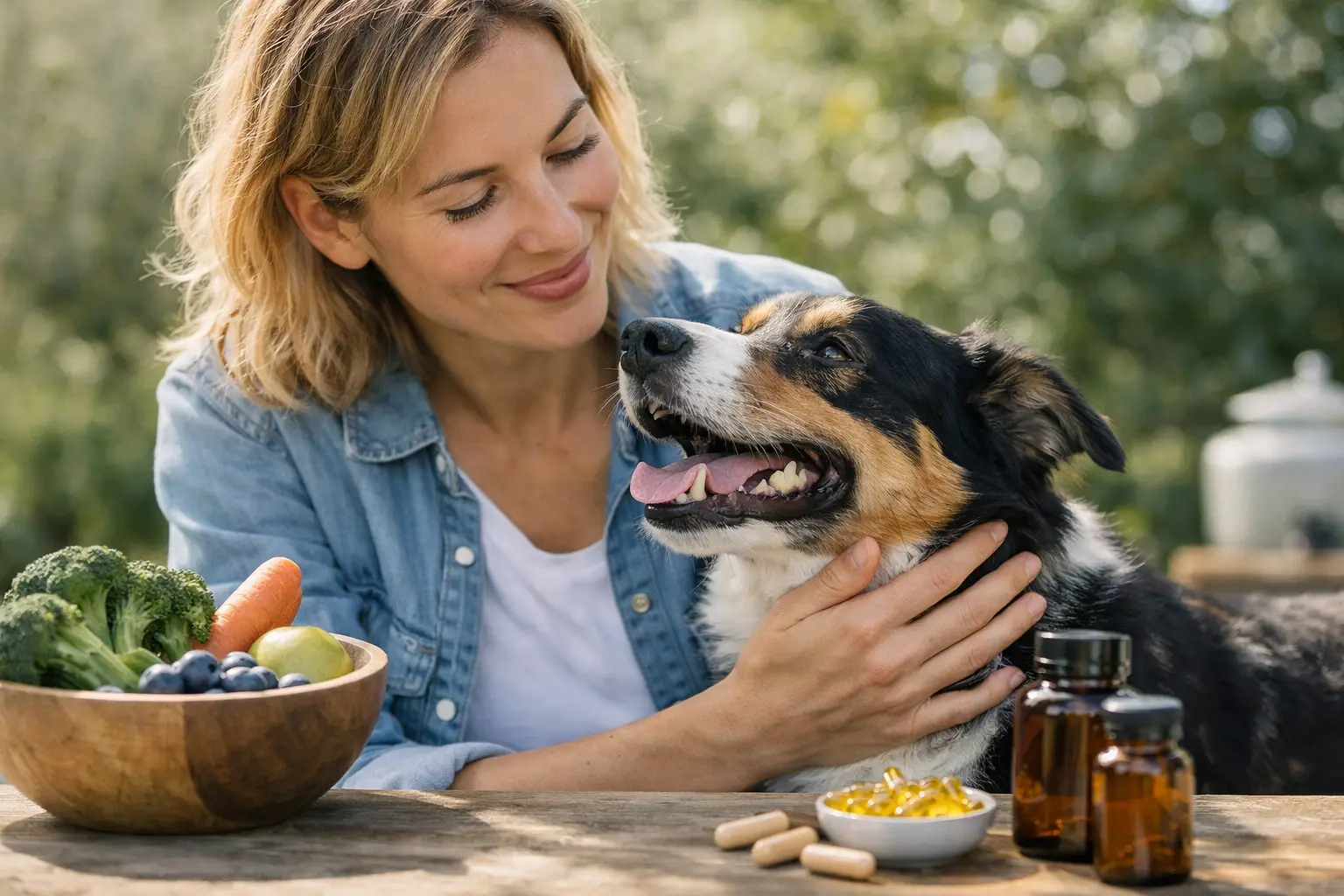
Dietary supplements can be a powerful addition when the basics are already in place. They should not be used as a substitute for proper food, sleep and daily care, but as extra support when the dog has a specific need.
This can be during periods of shedding, after illness, during high activity, in older dogs or in dogs that generally seem more delicate. Here, selected vitamins, minerals, fatty acids or other functional ingredients help support the body's normal processes.
The key is quality and relevance. More is not automatically better. A good supplement should suit the dog's situation and be easy to use in everyday life. For many dog owners, a simple solution that can be given regularly without hassle works best. It is precisely the type of practical support that makes a difference over time.
At Strohmedico, the idea is the same as in human health: When you work purposefully with specific needs such as mobility, vitality and immune support, it becomes easier to make the right choices and stick to a routine that works in practice.
Signs that the dog may need extra support
You don't have to wait for problems to get bigger. Many signs are small at first. Your dog may seem less healthy, recover more slowly, have more sensitive skin, or be more reactive to changes in weather, food, or activity. These aren't always signs of illness, but they can be signs that the body is working harder than necessary.
Especially with older dogs, it's a good idea to be proactive. The earlier you support daily functions, the better chance your dog has of maintaining strength, mobility, and energy. Prevention is often both gentler and more effective than acting only after problems have set in.
How do you assess whether the effort is working?
The best measurement is rarely dramatic. Look for small improvements in everyday life. Is the stool more stable? Is the coat nicer? Does the dog have more consistent energy? Does he recover faster from activity? Does he sleep better and seem more comfortable?
It usually takes some time. Some dogs respond quickly, while others need several weeks of a stable routine before you see any noticeable changes. That's why patience is important. If you change your strategy every three days, you won't get a true picture.
A stronger dog starts with the choices you repeat
If you want to know how to best support your dog's immune system, the answer is rarely more complicated than this: Give the body good conditions every day. Choose food with real nutritional value, pay attention to the intestines and digestion, protect sleep, adjust exercise and use targeted supplements when needed.
It's not the quickest solution, but it's often the most durable. And for the dog that needs to be active, safe and happy for many years to come, it's the daily choices that count the most.