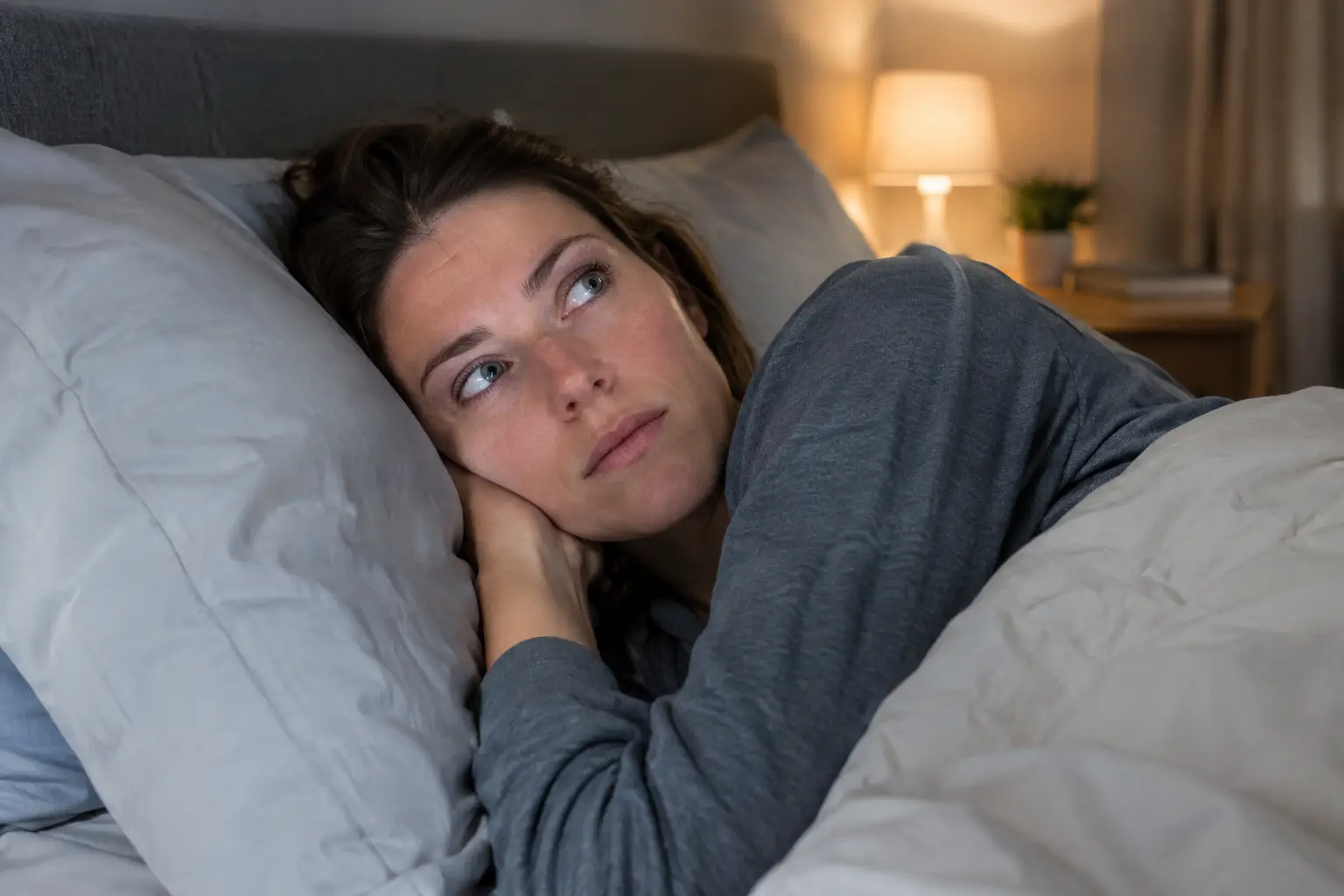
When the body is tired but the thoughts continue, the minutes in bed can feel long. Many people ask themselves: Why can't I fall asleep? The answer is rarely one thing. Sleep is affected by everything from light, habits and meals to worries, physical activity and changes in daily life.
A single restless night is common and does not necessarily indicate anything serious. However, if it happens frequently, it may be relevant to take a sober look at what characterizes the hours before bedtime – and whether there are any conditions that should be discussed with the doctor.
Why can't I fall asleep even though I'm tired?
Fatigue and sleepiness are not exactly the same thing. You can be exhausted after a long day but still have a nervous system that is in high gear. This can happen after a busy day at work, a late meeting, emotional worries, or a lot of impressions from the phone, TV, and news.
The body also has an internal circadian rhythm, which is influenced by light and regular times, among other things. Sleeping late on weekends, taking a long nap at the end of the day, or alternating between late and early bedtimes can make it harder to feel sleepy at the desired time. This also applies if you spend a lot of time awake in bed and start to associate the bedroom with frustration rather than rest.
As we age, many people find that sleep becomes lighter and more fragmented. This doesn't necessarily mean that there's anything wrong, but it can make regular habits even more valuable. The need for sleep is individual, and the goal is not to achieve a specific number of hours each night. The key is whether you usually feel reasonably rested and can function in your everyday life.
The typical causes often lie in the evening hours.
Caffeine is a well-known factor. Coffee, energy drinks, cola, black tea, and green tea can interfere with sleep for some people, even when consumed early in the afternoon. Sensitivity varies considerably, so it may be helpful to try a period of reduced caffeinated beverages after lunch to see if that makes a difference.
Alcohol can also be misleading. Some people get sleepy quickly after a glass of wine or beer, but sleep later in the night can be more restless. The same can apply to large or very late meals. So go for an evening meal that is filling without being heavy, and give your body some time to settle down before you go to bed.
Screens aren’t necessarily the problem in themselves, but the content and timing can be. Emails, social media, work emails, and dramatic news often keep your brain active. A quiet program or audiobook doesn’t affect everyone the same way as a flood of information that requires you to make a decision. So it’s less about absolute rules and more about discovering what keeps you awake.
Temperature, noise and light also play a role. A bedroom that is dark, quiet and slightly cool suits many people well. If you are easily awakened by noise, regular routines around windows, curtains and possibly earplugs can be a simple part of the solution.
Brainstorming often requires a practical solution
When you're lying in bed reviewing tomorrow's tasks or old conversations, it rarely helps to tell yourself to stop thinking. A more down-to-earth method is to write down the most important things before bed. Write down three tasks for the next day, or write down the thought you don't want to forget. This can give your brain the experience of not having to stay awake.
A steady 30-60 minute taper can be just as relevant as bedtime itself. Choose activities that are repeatable and calming: reading, a warm bath, light stretching, quiet music, or getting ready for the next morning. The routine doesn't have to be perfect. It should be simple enough that you can actually stick to it on regular weekdays.
If you lie awake for a long time and become more irritated, it can help to get up for a moment. Sit somewhere with dim lighting and do something quiet without starting to work, clean up or scroll. Only go back to bed when sleepiness returns. This way, the bed has a better chance of being associated with rest rather than struggle.
A stable rhythm is often worth more than a perfect evening
Many people try to compensate for poor sleep by sleeping in very late the next morning. This may be necessary once in a while, but as a permanent habit it can shift the rhythm even further. Instead, try to keep a relatively stable time to get up – even on weekends – and seek daylight early in the day. Natural light is a clear signal to the body's circadian rhythm.
Movement during the day can also be part of a sleep-friendly everyday life. A walk, bike ride, gardening or other activity is good for many. However, very hard training late at night can make some people more invigorated, while others sleep well afterwards. Here it is worth testing yourself rather than following a rule that does not suit your body.
Naps can be beneficial if you have had poor sleep, but a long nap late in the day can take some of the pressure off sleep in the evening. If you need a nap, a short break earlier in the day may be a more appropriate starting point.
Supplements and sleep routines
A dietary supplement cannot replace regular sleep habits, a varied diet, or professional advice for persistent problems. Some adults chooses melatonin as part of a short and planned evening routine. Melatonin is a hormone that the body produces itself, and products should be used according to the instructions on the packaging.
It is a good idea to be aware of the dose, time and possible use of medication. Pregnant women, breastfeeding women, people with illness or people taking regular medication should seek professional advice before using dietary supplements. The same applies if fatigue, frequent awakenings or problems falling asleep affect everyday life for a long time.
Dietary supplements should not replace a varied diet and a healthy lifestyle. For some, the most important change is not a product, but a more consistent rhythm, less caffeine late in the day, or a clear boundary between the day's activities and the night's rest.
When should you talk to the doctor?
Seek medical advice if the sleep problems persist for several weeks, affects your daytime functioning or is accompanied by, for example, heavy snoring, pauses in breathing, pronounced restlessness in the body or significant mood changes. This also applies if you often fall asleep involuntarily during the day.
A conversation with your doctor can help clarify whether there are lifestyle, medication, or health issues that deserve closer attention. Getting help is not a defeat – it is a practical part of taking care of your energy and everyday life.
Give the changes some time. Choose one or two habits that you can realistically maintain for a week rather than changing everything at once. A calmer end to the day can be a small but valuable step towards more energy the next day.
About Strohmedico Strohmedico is a European webshop focusing on dietary supplements produced in the EU. We write about ingredients, nutrition and products that can be part of a healthy and active lifestyle.