

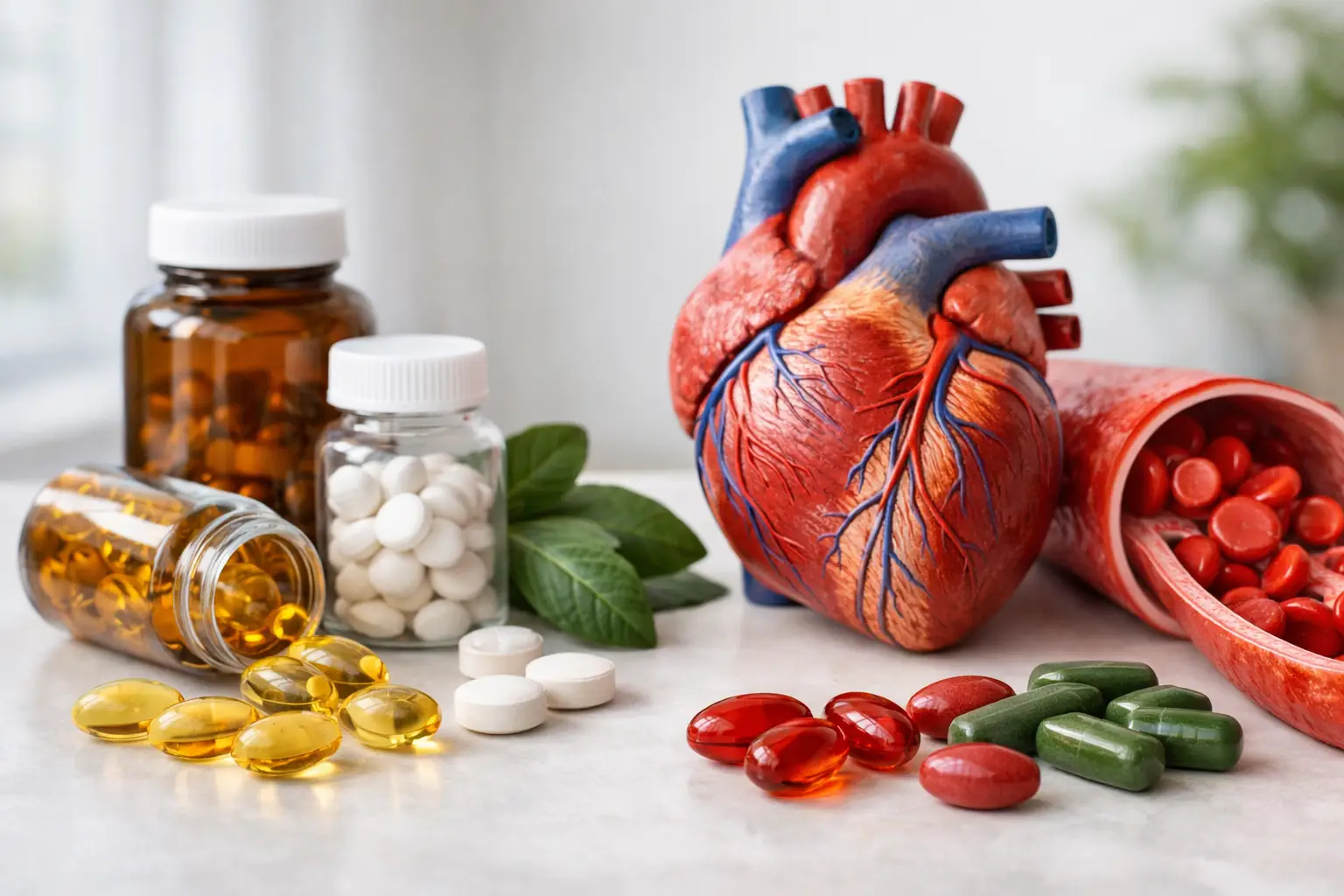
Tired legs, cold hands or the feeling of lacking energy in everyday life make many people ask: which vitamins are good for blood circulation? The short answer is that blood circulation rarely depends on a single vitamin. It is best supported by a combination of nutrients, good habits and a circulation that is allowed to work under the right conditions.
When blood circulates well, oxygen and nutrients are transported more efficiently around the body. This is important for everything from muscle work and warmth in the hands and feet to mental energy and recovery. For many adults, this becomes especially relevant as they age, when they want to maintain mobility, energy and the freedom to actively manage their day.
Which vitamins are good for blood circulation in practice?
From a practical perspective, there are some vitamins and associated nutrients that are often mentioned in connection with circulation, blood vessels and normal blood function. These include B vitamins, vitamin C, vitamin E and vitamin D. In addition, there are minerals such as magnesium and iron, which are not vitamins but play an important role in overall circulation.
It is also important to be honest about the nuances. Vitamins can support the body's normal functions, but they alone do not solve problems caused by inactivity, smoking, obesity, medical conditions or a very one-sided diet. If you have clear symptoms such as swelling, persistent pain, shortness of breath or significant circulatory problems, you should always have it evaluated professionally.
B vitamins and circulation
B vitamins are among the most relevant when it comes to blood circulation. B6, B12 and folate in particular contribute to the normal formation of red blood cells. Red blood cells are essential because they transport oxygen around the body. If this function is affected, you may feel tired, cold or have reduced energy.
B12 gets extra attention in older adults because absorption can decline with age. This doesn’t mean everyone is deficient, but it’s one of the reasons why this particular vitamin is often included in products for adults looking to support energy and vitality. Folate and B6 work closely with B12, so it often makes more sense to think in terms of balance than in terms of one isolated vitamin.
Vitamin C and blood vessels
Vitamin C is often associated with immune system, but it is also relevant for blood circulation. The vitamin contributes to the normal formation of collagen, which is part of the structure of blood vessels. When blood vessels need to maintain strength and flexibility, it is an advantage that the body has the building blocks it needs.
At the same time, vitamin C helps increase the absorption of iron. This is interesting because iron is necessary for the normal formation of red blood cells and hemoglobin. In other words, vitamin C can indirectly support circulation in several ways.
Vitamin E and cell protection
Vitamin E helps protect cells from oxidative stress. This is not the same as saying that vitamin E alone will noticeably improve blood circulation overnight. However, in a broader perspective, protection against oxidative stress may be relevant for the cells and tissues involved in the normal function of the circulation.
For many, it makes the most sense to view vitamin E as part of an overall circulatory focus, not as a miracle solution. If you have a diet with few healthy fat sources, it may be a nutrient that deserves attention.
Vitamin D and overall vitality
Vitamin D is not always mentioned first in connection with blood circulation, but it plays a role in the body's general function and is particularly relevant in Denmark, where many people get too little sunlight throughout much of the year. When you want to maintain strength, movement and an active everyday life, vitamin D is an important part of the foundation.
It is not a classic circulatory vitamin in the same way as B vitamins and iron-related nutrients, but low vitamin D status is often seen in adults who feel heavy, tired or less physically active. And activity is one of the most important keys to a well-functioning circulatory system.
Minerals that often matter just as much
The question of which vitamins are good for blood circulation is relevant, but it quickly becomes too narrow if you overlook the minerals. Magnesium is important for normal muscle function, and this also applies to the smooth muscles in the body. Iron is central to oxygen transport, and without enough iron, even the best diet plan falls short on the energy front.
Potassium is also worth mentioning because it is important for normal muscle function and blood pressure. Many people think of vitamins first, but the circulatory system is a collaboration between blood vessels, heart, muscles and the blood's ability to transport oxygen. Therefore, it is rarely enough to just look at one capsule or one active ingredient.
When do supplements make sense?
For some, dietary supplements are a practical help, especially if their diet fluctuates, their appetite is reduced, or they want to make it easier to get the same nutrients every day. This often applies to adults who want to take better care of their energy, mobility, and cardiovascular function without making everyday life more difficult.
The most sensible choice is usually a product that matches a specific need. If the focus is on circulation and vitality, a B vitamin product or a broad vitamin combination may be relevant. If fatigue and low iron intake are part of the picture, iron may be worth investigating further. If you rarely get out in the sun, vitamin D often makes good sense.
Here it is worth choosing quality over random impulse purchases. A well-thought-out supplement should fit into daily routines and support a long-term goal: to stay active, self-reliant and moving. At Strohmedico, this is precisely the mindset that is central – products should be easy to choose based on needs and make sense in reality, not just on the label.
What strengthens blood circulation the most in everyday life
Even the right vitamins work best when they are followed by a daily routine that helps circulation instead of slowing it down. Exercise is still the strongest factor. Walking, cycling, light strength training and just plain activity get the muscles to help the blood return through the body, especially from the legs.
Fluids also matter more than many people think. If you drink too little, you can easily feel heavy and unwell. In addition, smoking, very sedentary work and tight clothing around the legs and hips often have a negative effect on the daily comfort of the circulation.
The diet should be simple and realistic. More vegetables, berries, citrus, whole grains, nuts, fish and protein-rich ingredients give the body a better starting point for normal blood function. You don't need to chase perfect diet plans. For most people, doing something sensible every day is more effective than doing something extreme for a week.
Signs that you should be extra careful
If you often have cold hands and feet, get tired quickly, experience restless legs, or feel that your body is recovering slowly, it may be a signal that you should take a closer look at your diet, activity, and nutritional intake. This does not automatically mean a lack of vitamins, but it is a good time to take your body's signals seriously.
It also depends on age, medications, medical history and lifestyle. A person with a low appetite and a limited variety of diet may have different needs than someone who eats well but sits still most of the day. Therefore, the same solutions are rarely suitable for everyone.
How to think wisely about vitamins for blood circulation
The most useful answer to which vitamins are good for blood circulation is therefore not just a list. It is a prioritization. Start with B vitamins, especially B6, B12 and folate, if you want to support normal red blood cell formation and energy metabolism. Then look at vitamin C, which contributes to the normal structure of blood vessels and helps iron absorption. Also consider vitamins E and D as part of a broader focus on vitality and daily function.
But don't stop there. If you want to feel a difference in your everyday life, vitamins need to be followed by exercise, enough fluids, and a diet that gives your body something to work with. The strongest solution is rarely dramatic. It's stable, practical, and built around small choices you can actually stick to.
If you want to take better care of your circulation, the best time to start is not when the energy is completely gone, but while you still have the opportunity to strengthen the body in time.
About Strohmedico
Strohmedico is a European webshop focusing on dietary supplements produced in the EU. We write about ingredients, nutrition and products that can be part of a healthy and active lifestyle.